BYD Seagull vs Renault Kwid E-Tech
BYD Seagull and Renault Kwid E-Tech head to head: range, power, fast charging, space, safety and comfort, using the Colombia specs. The Renault Kwid E-Tech leads, narrowly, in 2 of 7 areas.
Trims compared: BYD Seagull GL 300 2026 and Renault Kwid E-Tech Techno 2026. You can change either one in the search boxes.
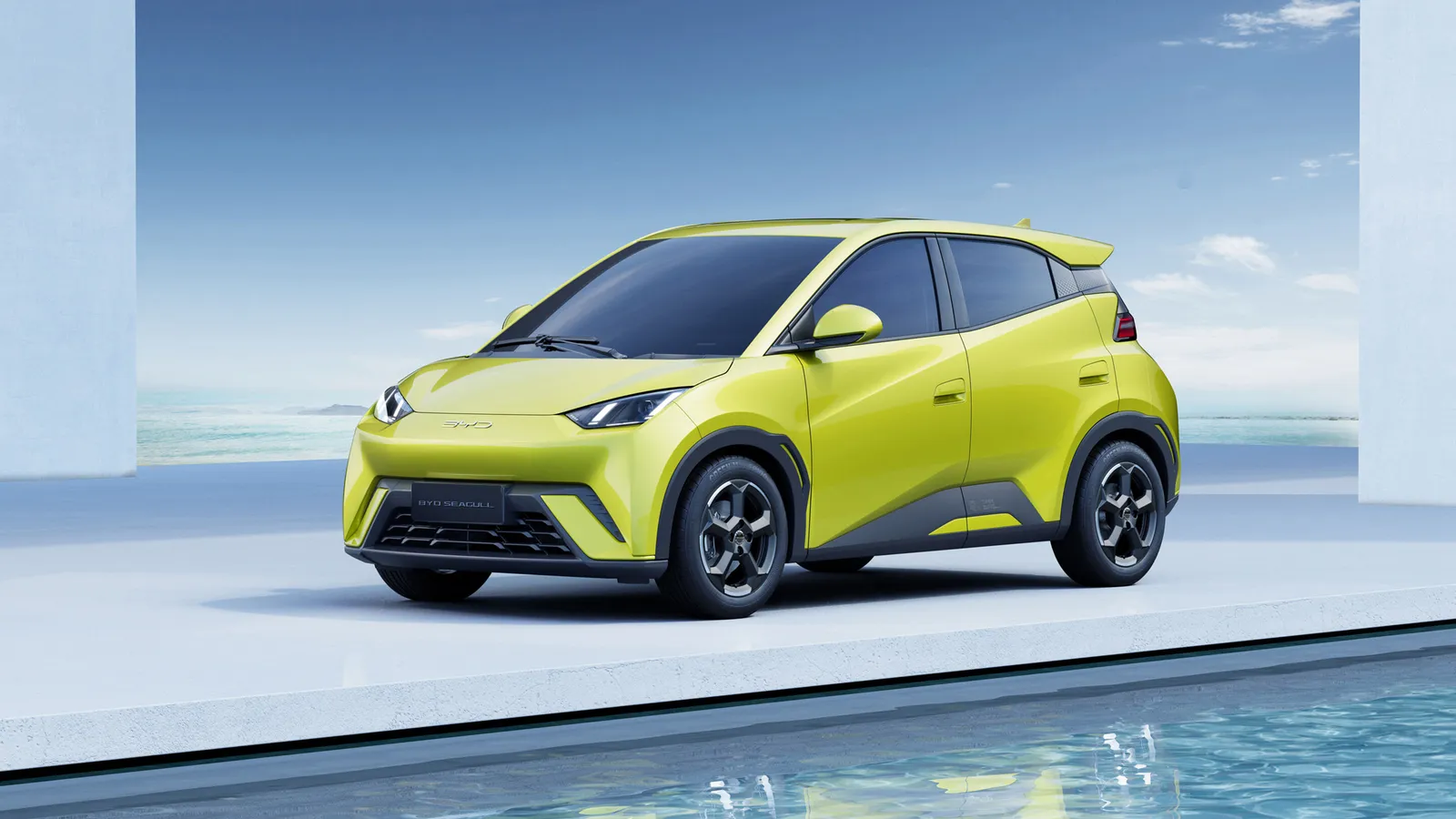
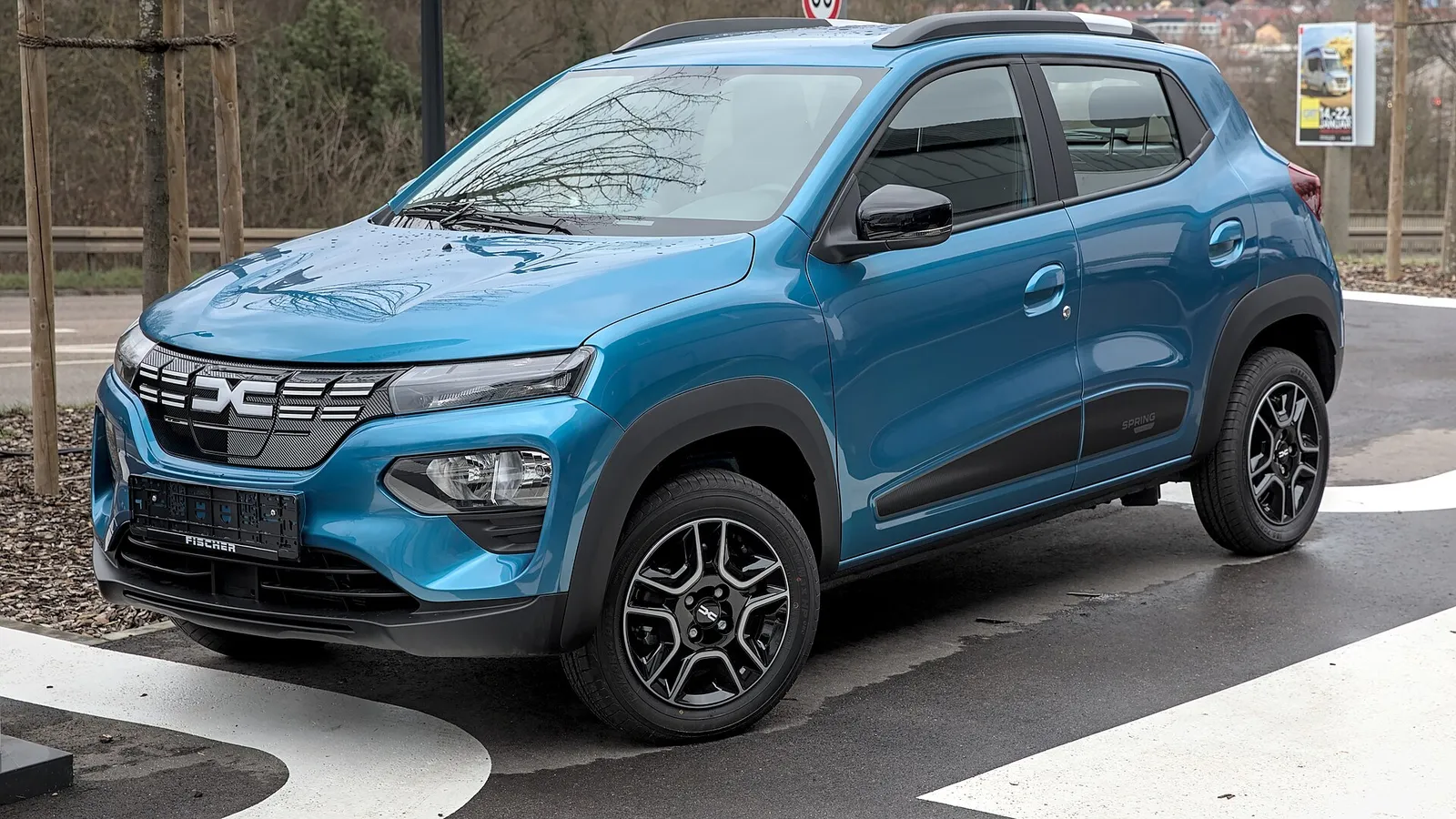
Your pick: Renault Kwid E-Tech Techno, narrowly. It leads in 2 of 7 areas.
BYD Seagull GL 300
Pick it if what matters most to you is having more comfort equipment, spending less time charging, quicker acceleration, going further between charges, and having more power.
Renault Kwid E-Tech Techno
Pick it if what matters most to you is having more driver assistance features and having more luggage space.
The score and the verdict come from the average of the 7 areas with data for both cars. They do not take price into account, which is usually what weighs most in the decision.
Where is each one better?
- BYD Seagull GL 300
- Renault Kwid E-Tech Techno
| Area | BYD Seagull GL 300 | Renault Kwid E-Tech Techno | Winner |
|---|---|---|---|
| 300 km186 mi · NEDC · ≈ 248 km WLTP | 225 km140 mi · WLTP | Nearly equal | |
| 55 kW74 hp | 48 kW64 hp | BYD Seagull GL 300: +7 kW | |
| 13.9 s | 14.6 s | Nearly equal | |
| 30 minfrom 30 to 80% | 45 minfrom 20 to 80% | BYD Seagull GL 300: Charges faster | |
| 230 L | 290 L | Renault Kwid E-Tech Techno: +60 L | |
| 1 of 6 | 3 of 5 | Renault Kwid E-Tech Techno: More assistance | |
| 2 of 3 | 2 of 4 | BYD Seagull GL 300: Better equipped |
The bar under each figure is the area score, from 0 to 100, measured against fixed ranges (for example, range goes from 0 to 800 km, or 497 mi). Those scores draw the chart and produce the overall score.
Biggest differences
| Spec | BYD Seagull | Renault Kwid E-Tech | Advantage |
|---|---|---|---|
| Warranty | 5 years | 3 years | +2 years in favor of the BYD Seagull |
| Warranty mileage | 150,000 km (93,206 mi) | 100,000 km (62,137 mi) | +50,000 km in favor of the BYD Seagull |
| Fast charging time | 30 min | 45 min | −15 min in favor of the BYD Seagull |
| Airbags | 4 | 6 | +2 in favor of the Renault Kwid E-Tech |
| Trunk | 230 L | 290 L | +60 L in favor of the Renault Kwid E-Tech |
The specs where one car beats the other by the widest margin, in proportion. The label takes the color of the winning car.
Specs
General
- Powertrain
- BYD Seagull GL 300: Electric
- Renault Kwid E-Tech Techno: Electric
- Body style
- BYD Seagull GL 300: Hatchback
- Renault Kwid E-Tech Techno: Hatchback
- Size
- BYD Seagull GL 300: Small
- Renault Kwid E-Tech Techno: Mini
- Model year
- BYD Seagull GL 300: 2026
- Renault Kwid E-Tech Techno: 2026
- Spec market
- BYD Seagull GL 300: CO
- Renault Kwid E-Tech Techno: CO
- Warranty
- BYD Seagull GL 300: 5 years
- Renault Kwid E-Tech Techno: 3 years
- Warranty mileage
- BYD Seagull GL 300: 150,000 km (93,206 mi)
- Renault Kwid E-Tech Techno: 100,000 km (62,137 mi)
Performance
- Power
- BYD Seagull GL 300: 55 kW
- Renault Kwid E-Tech Techno: 48 kW
- Horsepower
- BYD Seagull GL 300: 74 hp
- Renault Kwid E-Tech Techno: 64 hp
- Torque
- BYD Seagull GL 300: 135 Nm
- Renault Kwid E-Tech Techno: 113 Nm
- 0–100 km/h (0–62 mph)
- BYD Seagull GL 300: 13.9 s
- Renault Kwid E-Tech Techno: 14.6 s
- Top speed
- BYD Seagull GL 300: 130 km/h (81 mph)
- Renault Kwid E-Tech Techno: 130 km/h (81 mph)
- Drivetrain
- BYD Seagull GL 300: Front-wheel drive
- Renault Kwid E-Tech Techno: Front-wheel drive
- Electric motors
- BYD Seagull GL 300: 1
- Renault Kwid E-Tech Techno: 1
- Transmission
- BYD Seagull GL 300: Single-speed
- Renault Kwid E-Tech Techno: Single-speed
Battery and range
- Battery
- BYD Seagull GL 300: 30.1 kWh
- Renault Kwid E-Tech Techno: 26.8 kWh
- Battery chemistry
- BYD Seagull GL 300: LFP
- Renault Kwid E-Tech Techno: No data
- WLTP range
- BYD Seagull GL 300: No data
- Renault Kwid E-Tech Techno: 225 km (140 mi)
- NEDC range
- BYD Seagull GL 300: 300 km (186 mi)
- Renault Kwid E-Tech Techno: No data
- Battery warranty
- BYD Seagull GL 300: 8 years
- Renault Kwid E-Tech Techno: 8 years
- Battery warranty mileage
- BYD Seagull GL 300: 150,000 km (93,206 mi)
- Renault Kwid E-Tech Techno: 120,000 km (74,565 mi)
Charging
- DC fast charging
- BYD Seagull GL 300: 30 kW
- Renault Kwid E-Tech Techno: 30 kW
- Fast charging time
- BYD Seagull GL 300: 30 min
- Renault Kwid E-Tech Techno: 45 min
- AC charging
- BYD Seagull GL 300: 7 kW
- Renault Kwid E-Tech Techno: 7 kW
- Connector
- BYD Seagull GL 300: GB/T
- Renault Kwid E-Tech Techno: CCS2
- Powers external devices (V2L)
- BYD Seagull GL 300: Yes
- Renault Kwid E-Tech Techno: No data
Combustion and hybrids
- CO2 emissions
- BYD Seagull GL 300: 0 g/km
- Renault Kwid E-Tech Techno: 0 g/km
Dimensions and space
- Length
- BYD Seagull GL 300: 3,780 mm
- Renault Kwid E-Tech Techno: 3,701 mm
- Width
- BYD Seagull GL 300: 1,715 mm
- Renault Kwid E-Tech Techno: 1,580 mm
- Height
- BYD Seagull GL 300: 1,580 mm
- Renault Kwid E-Tech Techno: 1,534 mm
- Wheelbase
- BYD Seagull GL 300: 2,500 mm
- Renault Kwid E-Tech Techno: 2,423 mm
- Trunk
- BYD Seagull GL 300: 230 L
- Renault Kwid E-Tech Techno: 290 L
- Curb weight
- BYD Seagull GL 300: 1,165 kg
- Renault Kwid E-Tech Techno: 977 kg
- Ground clearance
- BYD Seagull GL 300: No data
- Renault Kwid E-Tech Techno: 172 mm
- Seats
- BYD Seagull GL 300: 4
- Renault Kwid E-Tech Techno: 4
Safety
- Airbags
- BYD Seagull GL 300: 4
- Renault Kwid E-Tech Techno: 6
- Autonomous emergency braking
- BYD Seagull GL 300: No
- Renault Kwid E-Tech Techno: Yes
- Adaptive cruise control
- BYD Seagull GL 300: No
- Renault Kwid E-Tech Techno: No
- Lane keeping assist
- BYD Seagull GL 300: No
- Renault Kwid E-Tech Techno: Yes
- Blind spot monitor
- BYD Seagull GL 300: No
- Renault Kwid E-Tech Techno: No data
- 360-degree camera
- BYD Seagull GL 300: No
- Renault Kwid E-Tech Techno: No
- ISOFIX anchors
- BYD Seagull GL 300: Yes
- Renault Kwid E-Tech Techno: Yes
Comfort and technology
- Central screen
- BYD Seagull GL 300: 10.1 inches
- Renault Kwid E-Tech Techno: 10.1 inches
- Apple CarPlay
- BYD Seagull GL 300: Yes
- Renault Kwid E-Tech Techno: Yes
- Android Auto
- BYD Seagull GL 300: Yes
- Renault Kwid E-Tech Techno: Yes
- Panoramic roof
- BYD Seagull GL 300: No data
- Renault Kwid E-Tech Techno: No
- Wireless charger
- BYD Seagull GL 300: No
- Renault Kwid E-Tech Techno: No
"No data" means there is no reliable source for that value, not that the car lacks it. Each range figure comes with its test cycle. If the two cars do not share a cycle, the chart compares them with an estimated WLTP equivalent (NEDC minus 17%, CLTC minus 22%), which is an approximation.
Which one should you pick?
This comparison uses the versions sold in Colombia: the BYD Seagull GL 300 and the Renault Kwid E-Tech Techno. They are two small four-seat EVs competing for buyers who want a second car for the city. The Seagull is also known as the Dolphin Mini in other Latin American countries.
On range, the spec sheets use different cycles: 300 km (186 miles) NEDC for the Seagull and 225 km (140 miles) WLTP for the Kwid. NEDC gives higher figures for the same car, and converted to an estimated WLTP equivalent the Seagull’s 300 km comes to about 248 km (154 miles). That is a 23 km (14 mile) lead on an approximate figure, so in practice they perform similarly. The battery can be compared directly: 30.1 kWh against 26.8 kWh, 3.3 kWh more for the Seagull, a real margin though not a huge one.
Size and trunk
The Kwid is shorter (3,701 mm against 3,780 mm), narrower (1,580 mm against 1,715 mm) and weighs 977 kg against 1,165 kg. On a narrow street or in a tight garage, that matters. The Seagull does have a longer wheelbase (2,500 mm against 2,423 mm), yet its 230-liter trunk falls short of the Kwid’s 290 liters. For shopping, the Kwid carries more.
Power and charging
The Seagull delivers 55 kW (74 hp) and 135 Nm, and goes from 0 to 100 km/h in 13.9 s. The Kwid delivers 48 kW (64 hp) and 113 Nm, and takes 14.6 s. The gap is small: in the city they feel similar. For fast charging, both accept 30 kW on DC: the Seagull from 30 to 80% in 30 minutes, the Kwid from 20 to 80% in 45. The stretches do not match, but the spec sheets show the Kwid takes longer per battery point recovered. The Seagull uses a GB/T connector and the Kwid CCS2. On AC, both accept 7 kW.
Safety and equipment
The Kwid has six airbags, autonomous emergency braking and lane keeping; the Seagull has four airbags and neither of those two aids as standard. The Seagull, on the other hand, has V2L and the same top speed (130 km/h). The Seagull’s warranty, 5 years or 150,000 km (93,000 miles), beats the Kwid’s 3 years and 100,000 km (62,000 miles), and the battery warranty is 8 years on both, with 150,000 km (93,000 miles) for the Seagull and 120,000 km (75,000 miles) for the Kwid.
Who each one is for
The Kwid suits people who prioritize trunk space, active safety and the smallest size. The Seagull suits people who want more battery, power and warranty. This comparison does not take price into account.
What the numbers say
What is being compared
The BYD Seagull is a small electric hatchback and the Renault Kwid E-Tech a mini electric hatchback. Across classes, size and space weigh more than usual in the choice. Both spec sheets are from Colombia: they compare versions sold in the same place, with that market's battery and equipment.
On the outside, the BYD Seagull is 3.78 m long, 8 cm longer than the Renault Kwid E-Tech, and its wheelbase is 8 cm longer, the measurement that matters most for rear legroom. The BYD Seagull weighs 188 kg more (1,165 kg versus 977 kg), extra mass the battery has to move every time it pulls away.
Range and battery
They do not share a range cycle: the BYD Seagull is rated at 300 km (186 mi) on NEDC and the Renault Kwid E-Tech at 225 km (140 mi) on WLTP. Converted to an estimated WLTP equivalent, that is about 248 km (154 mi) and 225 km (140 mi), too close to name a winner from a conversion.
Charging
On a fast charger, the BYD Seagull goes from 30 to 80% in 30 minutes and the Renault Kwid E-Tech from 20 to 80% in 45 minutes. The windows differ, but per minute the BYD Seagull adds more charge: 1.7 against 1.3 percentage points per minute. At home, both accept up to 7 kW on AC, and a full charge takes about 4 hours: both fill up overnight.
Power and driving
The BYD Seagull delivers 55 kW (74 hp), 7 kW more than the Renault Kwid E-Tech. From 0 to 100 km/h (62 mph), the BYD Seagull takes 13.9 s and the Renault Kwid E-Tech 14.6 s, a gap you will not notice in daily driving.
Space and equipment
The Renault Kwid E-Tech trunk holds 290 liters, 60 liters more than the BYD Seagull. Among the known safety aids, only the Renault Kwid E-Tech has autonomous emergency braking and lane keeping assist. These systems act before a crash, not after.
The biggest gap between them, in proportion, is in warranty: 5 years for the BYD Seagull and 3 years for the Renault Kwid E-Tech.
Analysis written from the two spec sheets this page compares. It does not take price into account.
Quick questions
- Which one has more range?
- They would be nearly equal, based on an estimated WLTP equivalent: their figures come from different cycles. BYD Seagull: 300 km (186 mi · NEDC · ≈ 248 km WLTP); Renault Kwid E-Tech: 225 km (140 mi · WLTP).
- Which one is more powerful?
- The BYD Seagull. BYD Seagull: 55 kW (74 hp); Renault Kwid E-Tech: 48 kW (64 hp).
- Which one accelerates faster?
- They are nearly equal. BYD Seagull: 13.9 s; Renault Kwid E-Tech: 14.6 s.
- Which one charges faster?
- The BYD Seagull. BYD Seagull: 30 min (from 30 to 80%); Renault Kwid E-Tech: 45 min (from 20 to 80%).
- Which one has more trunk space?
- The Renault Kwid E-Tech. BYD Seagull: 230 L; Renault Kwid E-Tech: 290 L.
- Which one has more driver assistance features?
- The Renault Kwid E-Tech. BYD Seagull: 1 of 6; Renault Kwid E-Tech: 3 of 5.
- Which one is better equipped?
- The BYD Seagull. BYD Seagull: 2 of 3; Renault Kwid E-Tech: 2 of 4.