BYD Seal vs Tesla Model 3
BYD Seal and Tesla Model 3 head to head: range, power, fast charging, space, safety and comfort, using the Europe specs. The Tesla Model 3 leads, narrowly, in 5 of 7 areas.
Trims compared: BYD Seal 61.4 kWh RWD Comfort 2026 and Tesla Model 3 RWD 2026. You can change either one in the search boxes.
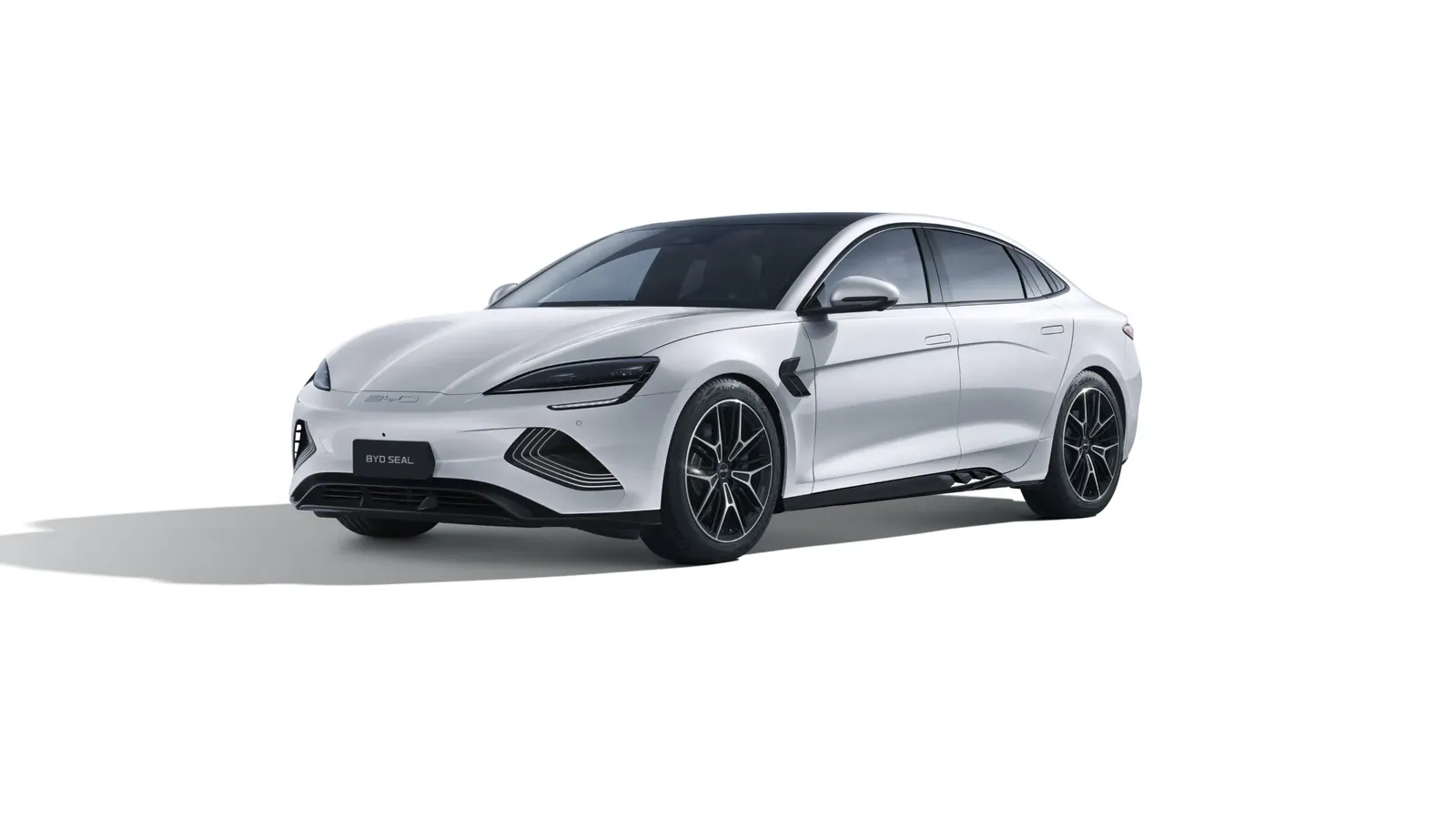
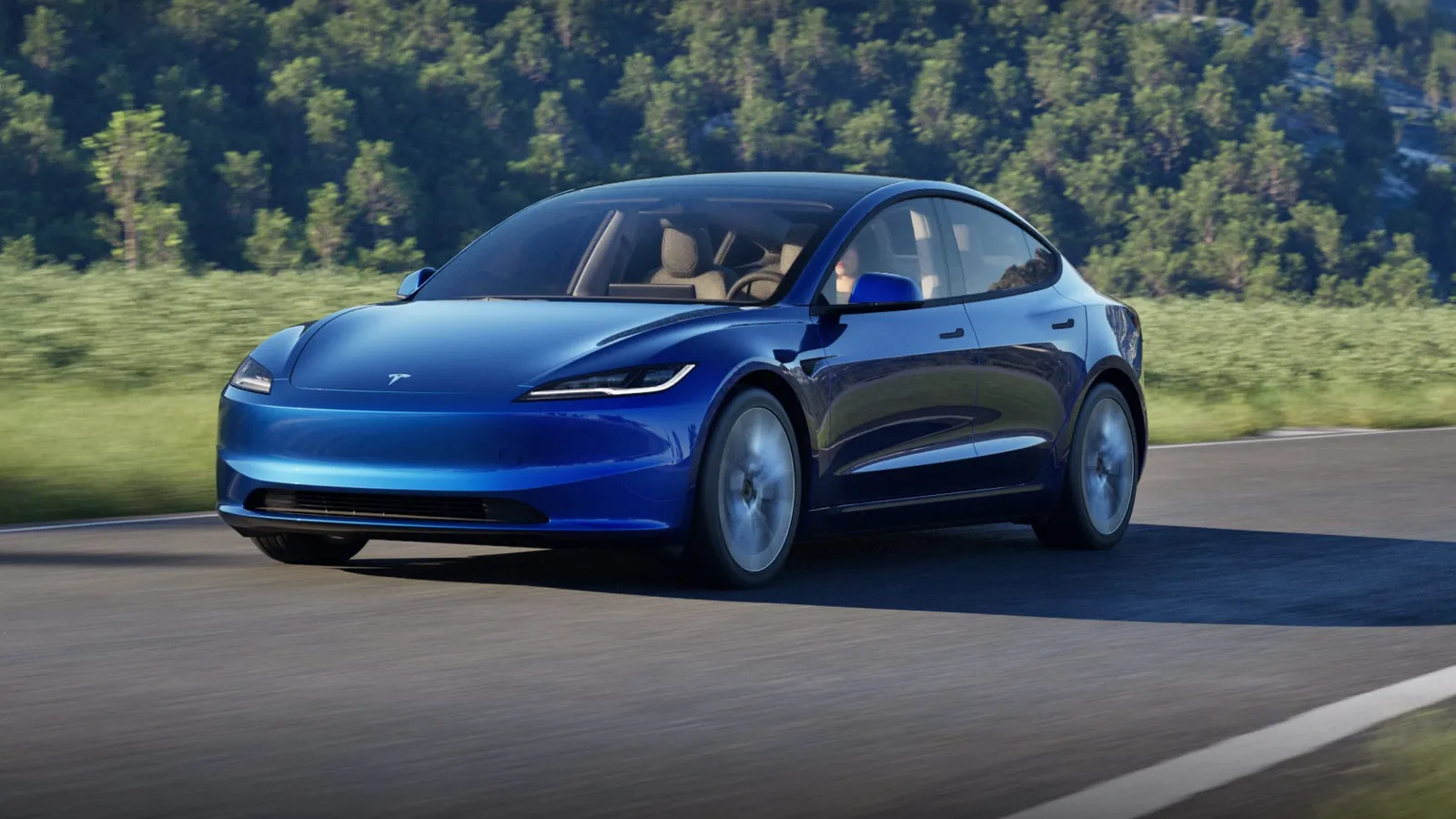
Your pick: Tesla Model 3 RWD, narrowly. It leads in 5 of 7 areas.
BYD Seal 61.4 kWh RWD Comfort
Pick it if what matters most to you is having more comfort equipment.
Tesla Model 3 RWD
Pick it if what matters most to you is spending less time charging, going further between charges, having more luggage space, quicker acceleration, and having more power.
The score and the verdict come from the average of the 7 areas with data for both cars. They do not take price into account, which is usually what weighs most in the decision.
Where is each one better?
- BYD Seal 61.4 kWh RWD Comfort
- Tesla Model 3 RWD
| Area | BYD Seal 61.4 kWh RWD Comfort | Tesla Model 3 RWD | Winner |
|---|---|---|---|
| 460 km286 mi | 572 km355 mi | Tesla Model 3 RWD: +112 km | |
| 170 kW228 hp | 208 kW279 hp | Tesla Model 3 RWD: +38 kW | |
| 7.5 s | 6.2 s | Tesla Model 3 RWD: −1.3 s | |
| 36 min | 24 min | Tesla Model 3 RWD: −12 min | |
| 557 Lincludes 72 L up front | 682 Lincludes 88 L up front | Tesla Model 3 RWD: +125 L | |
| 6 of 6 | 5 of 5 | Even | |
| 7 of 7 | 3 of 5 | BYD Seal 61.4 kWh RWD Comfort: Better equipped |
The bar under each figure is the area score, from 0 to 100, measured against fixed ranges (for example, range goes from 0 to 800 km, or 497 mi). Those scores draw the chart and produce the overall score.
Biggest differences
| Spec | BYD Seal | Tesla Model 3 | Advantage |
|---|---|---|---|
| Warranty mileage | 150,000 km (93,206 mi) | 80,000 km (49,710 mi) | +70,000 km in favor of the BYD Seal |
| DC fast charging | 110 kW | 175 kW | +65 kW in favor of the Tesla Model 3 |
| Battery warranty mileage | 250,000 km (155,343 mi) | 160,000 km (99,419 mi) | +90,000 km in favor of the BYD Seal |
| Warranty | 6 years | 4 years | +2 years in favor of the BYD Seal |
| Fast charging time | 36 min | 24 min | −12 min in favor of the Tesla Model 3 |
The specs where one car beats the other by the widest margin, in proportion. The label takes the color of the winning car.
Specs
General
- Powertrain
- BYD Seal 61.4 kWh RWD Comfort: Electric
- Tesla Model 3 RWD: Electric
- Body style
- BYD Seal 61.4 kWh RWD Comfort: Sedan
- Tesla Model 3 RWD: Sedan
- Size
- BYD Seal 61.4 kWh RWD Comfort: Midsize
- Tesla Model 3 RWD: Midsize
- Model year
- BYD Seal 61.4 kWh RWD Comfort: 2026
- Tesla Model 3 RWD: 2026
- Spec market
- BYD Seal 61.4 kWh RWD Comfort: EU
- Tesla Model 3 RWD: EU
- Warranty
- BYD Seal 61.4 kWh RWD Comfort: 6 years
- Tesla Model 3 RWD: 4 years
- Warranty mileage
- BYD Seal 61.4 kWh RWD Comfort: 150,000 km (93,206 mi)
- Tesla Model 3 RWD: 80,000 km (49,710 mi)
Performance
- Power
- BYD Seal 61.4 kWh RWD Comfort: 170 kW
- Tesla Model 3 RWD: 208 kW
- Horsepower
- BYD Seal 61.4 kWh RWD Comfort: 228 hp
- Tesla Model 3 RWD: 279 hp
- Torque
- BYD Seal 61.4 kWh RWD Comfort: 380 Nm
- Tesla Model 3 RWD: 420 Nm
- 0–100 km/h (0–62 mph)
- BYD Seal 61.4 kWh RWD Comfort: 7.5 s
- Tesla Model 3 RWD: 6.2 s
- Top speed
- BYD Seal 61.4 kWh RWD Comfort: 220 km/h (137 mph)
- Tesla Model 3 RWD: 201 km/h (125 mph)
- Drivetrain
- BYD Seal 61.4 kWh RWD Comfort: Rear-wheel drive
- Tesla Model 3 RWD: Rear-wheel drive
- Electric motors
- BYD Seal 61.4 kWh RWD Comfort: 1
- Tesla Model 3 RWD: 1
- Transmission
- BYD Seal 61.4 kWh RWD Comfort: Single-speed
- Tesla Model 3 RWD: Single-speed
Battery and range
- Battery
- BYD Seal 61.4 kWh RWD Comfort: 61.4 kWh
- Tesla Model 3 RWD: 60 kWh
- Battery chemistry
- BYD Seal 61.4 kWh RWD Comfort: LFP
- Tesla Model 3 RWD: LFP
- WLTP range
- BYD Seal 61.4 kWh RWD Comfort: 460 km (286 mi)
- Tesla Model 3 RWD: 572 km (355 mi)
- Electric consumption
- BYD Seal 61.4 kWh RWD Comfort: 15.4 kWh/100 km
- Tesla Model 3 RWD: 12.2 kWh/100 km
- Battery warranty
- BYD Seal 61.4 kWh RWD Comfort: 8 years
- Tesla Model 3 RWD: 8 years
- Battery warranty mileage
- BYD Seal 61.4 kWh RWD Comfort: 250,000 km (155,343 mi)
- Tesla Model 3 RWD: 160,000 km (99,419 mi)
Charging
- DC fast charging
- BYD Seal 61.4 kWh RWD Comfort: 110 kW
- Tesla Model 3 RWD: 175 kW
- Fast charging time
- BYD Seal 61.4 kWh RWD Comfort: 36 min
- Tesla Model 3 RWD: 24 min
- AC charging
- BYD Seal 61.4 kWh RWD Comfort: 11 kW
- Tesla Model 3 RWD: 11 kW
- Connector
- BYD Seal 61.4 kWh RWD Comfort: CCS2
- Tesla Model 3 RWD: CCS2
- Powers external devices (V2L)
- BYD Seal 61.4 kWh RWD Comfort: Yes
- Tesla Model 3 RWD: No
Combustion and hybrids
- CO2 emissions
- BYD Seal 61.4 kWh RWD Comfort: 0 g/km
- Tesla Model 3 RWD: 0 g/km
Dimensions and space
- Length
- BYD Seal 61.4 kWh RWD Comfort: 4,800 mm
- Tesla Model 3 RWD: 4,720 mm
- Width
- BYD Seal 61.4 kWh RWD Comfort: 1,875 mm
- Tesla Model 3 RWD: 1,850 mm
- Height
- BYD Seal 61.4 kWh RWD Comfort: 1,460 mm
- Tesla Model 3 RWD: 1,440 mm
- Wheelbase
- BYD Seal 61.4 kWh RWD Comfort: 2,920 mm
- Tesla Model 3 RWD: 2,875 mm
- Trunk
- BYD Seal 61.4 kWh RWD Comfort: 485 L
- Tesla Model 3 RWD: 594 L
- Front trunk
- BYD Seal 61.4 kWh RWD Comfort: 72 L
- Tesla Model 3 RWD: 88 L
- Curb weight
- BYD Seal 61.4 kWh RWD Comfort: 1,970 kg
- Tesla Model 3 RWD: 1,772 kg
- Seats
- BYD Seal 61.4 kWh RWD Comfort: 5
- Tesla Model 3 RWD: 5
Safety
- Autonomous emergency braking
- BYD Seal 61.4 kWh RWD Comfort: Yes
- Tesla Model 3 RWD: Yes
- Adaptive cruise control
- BYD Seal 61.4 kWh RWD Comfort: Yes
- Tesla Model 3 RWD: Yes
- Lane keeping assist
- BYD Seal 61.4 kWh RWD Comfort: Yes
- Tesla Model 3 RWD: Yes
- Blind spot monitor
- BYD Seal 61.4 kWh RWD Comfort: Yes
- Tesla Model 3 RWD: Yes
- 360-degree camera
- BYD Seal 61.4 kWh RWD Comfort: Yes
- Tesla Model 3 RWD: No data
- ISOFIX anchors
- BYD Seal 61.4 kWh RWD Comfort: Yes
- Tesla Model 3 RWD: Yes
- Crash test stars
- BYD Seal 61.4 kWh RWD Comfort: 5
- Tesla Model 3 RWD: 5
- Testing body
- BYD Seal 61.4 kWh RWD Comfort: Euro NCAP
- Tesla Model 3 RWD: Euro NCAP
Comfort and technology
- Central screen
- BYD Seal 61.4 kWh RWD Comfort: 15.6 inches
- Tesla Model 3 RWD: 15.4 inches
- Apple CarPlay
- BYD Seal 61.4 kWh RWD Comfort: Yes
- Tesla Model 3 RWD: No
- Android Auto
- BYD Seal 61.4 kWh RWD Comfort: Yes
- Tesla Model 3 RWD: No
- Panoramic roof
- BYD Seal 61.4 kWh RWD Comfort: Yes
- Tesla Model 3 RWD: No data
- Ventilated seats
- BYD Seal 61.4 kWh RWD Comfort: Yes
- Tesla Model 3 RWD: No data
- Heated seats
- BYD Seal 61.4 kWh RWD Comfort: Yes
- Tesla Model 3 RWD: Yes
- Wireless charger
- BYD Seal 61.4 kWh RWD Comfort: Yes
- Tesla Model 3 RWD: Yes
- Heat pump
- BYD Seal 61.4 kWh RWD Comfort: Yes
- Tesla Model 3 RWD: Yes
"No data" means there is no reliable source for that value, not that the car lacks it. Each range figure comes with its test cycle. If the two cars do not share a cycle, the chart compares them with an estimated WLTP equivalent (NEDC minus 17%, CLTC minus 22%), which is an approximation.
Which one should you pick?
This compares the European specs of the BYD Seal 61.4 kWh RWD Comfort and the Tesla Model 3 RWD, both model year 2026. They are rear-wheel-drive sedans with LFP batteries of almost identical capacity, 61.4 kWh for the BYD and 60 kWh for the Tesla. That leaves the comparison with a single question: what each one does with the same energy.
To begin with, the Model 3 goes much further. Its WLTP range is 572 km (355 miles) and the Seal’s, 460 km (286 miles), 112 km (70 miles) less with 1.4 kWh more battery. The explanation lies in consumption (12.2 kWh per 100 km for the Tesla and 15.4 kWh for the BYD) and in mass: the Seal weighs 1,970 kg, 198 kg more than the Model 3. For anyone driving 400 km (249 miles) between cities, the difference decides between one stop and two.
Fast charging widens the advantage. The Tesla accepts 175 kW and goes from 10 to 80% in 24 minutes; the BYD accepts 110 kW and needs 36 minutes. Twelve extra minutes at every stop on a trip count for more than any gap in home charging, and there is none: both charge at 11 kW on AC.
The Model 3 is also more powerful (208 kW, or 279 hp, against 170 kW, or 228 hp) and quicker: 6.2 s from 0 to 100 km/h against 7.5 s. Its 594-liter trunk beats the Seal’s 485 liters, although the BYD is longer (4,800 mm against 4,720 mm) and has a longer wheelbase (2,920 mm against 2,875 mm), which points to a somewhat roomier cabin for rear passengers.
The Seal wins on the standard equipment in its spec sheet. It has a 360° camera, panoramic roof, ventilated seats, Android Auto, Apple CarPlay and V2L, which the Model 3’s spec sheet does not record or lists as absent. Its warranty is better too: 6 years or 150,000 km (93,000 miles), and 250,000 km (155,000 miles) on the battery, against 4 years or 80,000 km (50,000 miles) and 160,000 km (99,000 miles) for the Tesla. Both have 5 Euro NCAP stars, ISOFIX and a heat pump.
The Model 3 suits people who travel, charge on the road and value range and acceleration. The Seal suits people who drive mainly in the city and prefer a cabin with more equipment, phone connectivity and a longer warranty. This comparison does not take price into account, which could be decisive between two cars this close in size.
What the numbers say
What is being compared
The BYD Seal and the Tesla Model 3 compete in the same class, midsize electric sedan, so the comparison is a direct one. Both spec sheets are from Europe: they compare versions sold in the same place, with that market's battery and equipment.
On the outside, the BYD Seal is 4.80 m long, 8 cm longer than the Tesla Model 3, and its wheelbase is 5 cm longer, the measurement that matters most for rear legroom. The BYD Seal weighs 198 kg more (1,970 kg versus 1,772 kg), extra mass the battery has to move every time it pulls away.
Range and battery
On the WLTP cycle, the Tesla Model 3 is rated at 572 km (355 mi) and the BYD Seal at 460 km (286 mi): 112 km (70 mi) more, 24% higher. With the same use, the Tesla Model 3 stops at the charger less often. Per kWh of battery, the BYD Seal covers 7.5 km (4.7 mi) and the Tesla Model 3 9.5 km (5.9 mi): the Tesla Model 3 gets more out of every charge, which also lowers the cost per mile.
Charging
On a fast charger, from 10 to 80%, the BYD Seal takes 36 minutes and the Tesla Model 3 24 minutes. On a trip with two stops, that is about 24 minutes more waiting in the BYD Seal. At home, on a wall box at the maximum each one accepts (11 kW and 11 kW), a full charge takes about 6 and 5 hours: both fill up overnight. Only the BYD Seal has V2L, to draw power from the battery and plug in appliances away from home.
Power and driving
The Tesla Model 3 delivers 208 kW (279 hp), 38 kW more than the BYD Seal. From 0 to 100 km/h (62 mph), the BYD Seal takes 7.5 s and the Tesla Model 3 6.2 s.
Space and equipment
The Tesla Model 3 trunk holds 594 liters, 109 liters more than the BYD Seal; both add a front trunk, of 72 liters and 88 liters, where the charging cables fit. In Euro NCAP, both have 5 stars. On known safety aids, both come with the same. For comfort, only the BYD Seal has Apple CarPlay and Android Auto.
The biggest gap between them, in proportion, is in warranty mileage: 150,000 km (93,206 mi) for the BYD Seal and 80,000 km (49,710 mi) for the Tesla Model 3.
Analysis written from the two spec sheets this page compares. It does not take price into account.
Quick questions
- Which one has more range?
- The Tesla Model 3. BYD Seal: 460 km (286 mi); Tesla Model 3: 572 km (355 mi).
- Which one is more powerful?
- The Tesla Model 3. BYD Seal: 170 kW (228 hp); Tesla Model 3: 208 kW (279 hp).
- Which one accelerates faster?
- The Tesla Model 3. BYD Seal: 7.5 s; Tesla Model 3: 6.2 s.
- Which one charges faster?
- The Tesla Model 3. BYD Seal: 36 min; Tesla Model 3: 24 min.
- Which one has more trunk space?
- The Tesla Model 3. BYD Seal: 557 L (includes 72 L up front); Tesla Model 3: 682 L (includes 88 L up front).
- Which one has more driver assistance features?
- They are nearly equal. BYD Seal: 6 of 6; Tesla Model 3: 5 of 5.
- Which one is better equipped?
- The BYD Seal. BYD Seal: 7 of 7; Tesla Model 3: 3 of 5.