Hyundai Kona Electric vs Volvo EX30
Hyundai Kona Electric and Volvo EX30 head to head: range, power, fast charging, space, safety and comfort, using the Europe specs. They are even across the 7 areas with data.
Trims compared: Hyundai Kona Electric 48.6 kWh 2026 and Volvo EX30 P3 2026. You can change either one in the search boxes.
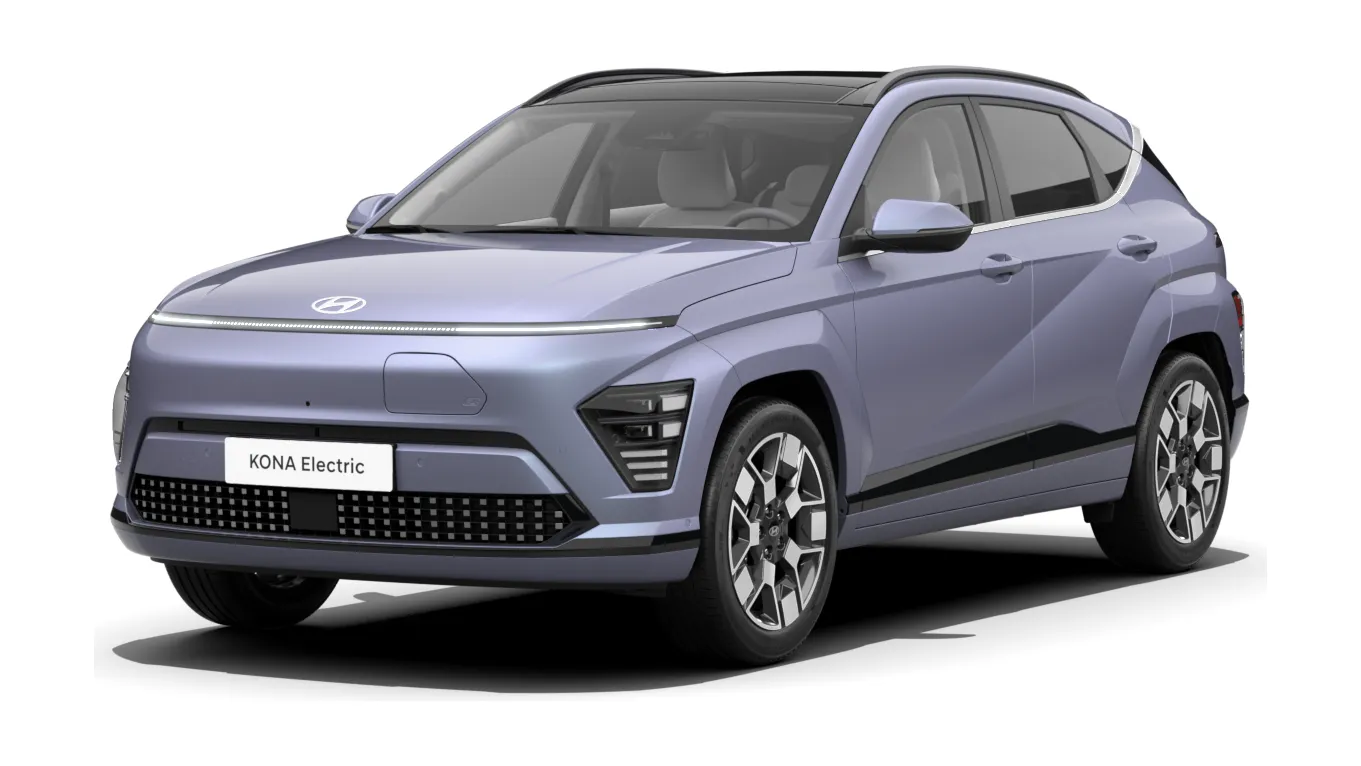
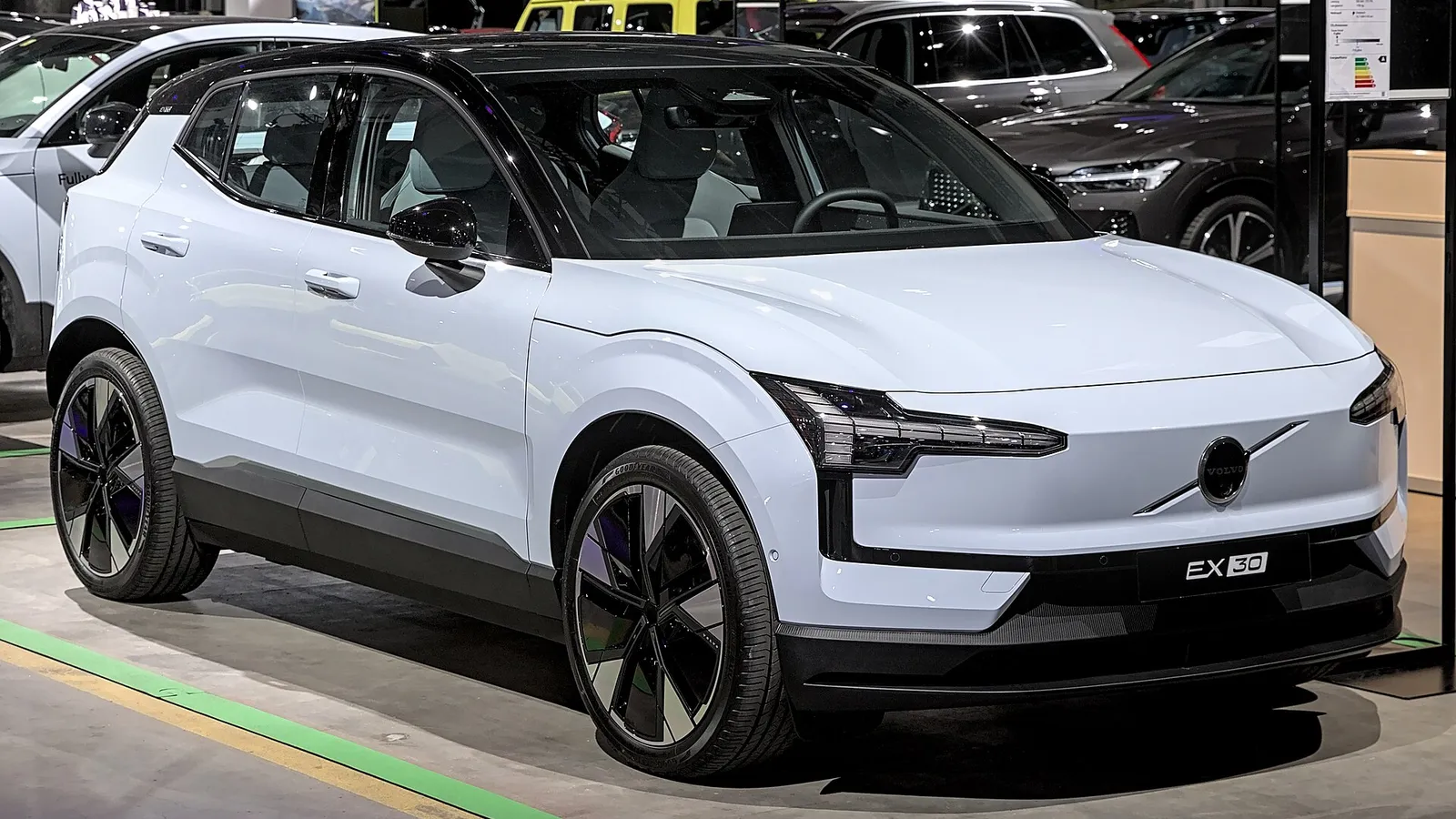
They are even: the Hyundai Kona Electric leads in 2 and the Volvo EX30 in 4 of 7 areas.
Hyundai Kona Electric 48.6 kWh
Pick it if what matters most to you is having more luggage space and going further between charges.
Volvo EX30 P3
Pick it if what matters most to you is spending less time charging, quicker acceleration, having more comfort equipment, and having more power.
The score and the verdict come from the average of the 7 areas with data for both cars. They do not take price into account, which is usually what weighs most in the decision.
Where is each one better?
- Hyundai Kona Electric 48.6 kWh
- Volvo EX30 P3
| Area | Hyundai Kona Electric 48.6 kWh | Volvo EX30 P3 | Winner |
|---|---|---|---|
| 380 km236 mi | 339 km211 mi | Hyundai Kona Electric 48.6 kWh: +41 km | |
| 99 kW133 hp | 110 kW148 hp | Volvo EX30 P3: +11 kW | |
| 9.9 s | 8.6 s | Volvo EX30 P3: −1.3 s | |
| 39 min | 26 min | Volvo EX30 P3: −13 min | |
| 493 Lincludes 27 L up front | 325 Lincludes 7 L up front | Hyundai Kona Electric 48.6 kWh: +168 L | |
| 4 of 6 | 4 of 6 | Even | |
| 2 of 7 | 2 of 6 | Volvo EX30 P3: Better equipped |
The bar under each figure is the area score, from 0 to 100, measured against fixed ranges (for example, range goes from 0 to 800 km, or 497 mi). Those scores draw the chart and produce the overall score.
Biggest differences
| Spec | Hyundai Kona Electric | Volvo EX30 | Advantage |
|---|---|---|---|
| Front trunk | 27 L | 7 L | 3.9× in favor of the Hyundai Kona Electric |
| DC fast charging | 74 kW | 134 kW | +60 kW in favor of the Volvo EX30 |
| Warranty | 5 years | 3 years | +2 years in favor of the Hyundai Kona Electric |
| Fast charging time | 39 min | 26 min | −13 min in favor of the Volvo EX30 |
| Trunk | 466 L | 318 L | +148 L in favor of the Hyundai Kona Electric |
The specs where one car beats the other by the widest margin, in proportion. The label takes the color of the winning car.
Specs
General
- Powertrain
- Hyundai Kona Electric 48.6 kWh: Electric
- Volvo EX30 P3: Electric
- Body style
- Hyundai Kona Electric 48.6 kWh: SUV
- Volvo EX30 P3: SUV
- Size
- Hyundai Kona Electric 48.6 kWh: Small
- Volvo EX30 P3: Small
- Model year
- Hyundai Kona Electric 48.6 kWh: 2026
- Volvo EX30 P3: 2026
- Spec market
- Hyundai Kona Electric 48.6 kWh: EU
- Volvo EX30 P3: EU
- Warranty
- Hyundai Kona Electric 48.6 kWh: 5 years
- Volvo EX30 P3: 3 years
- Warranty mileage
- Hyundai Kona Electric 48.6 kWh: Unlimited
- Volvo EX30 P3: 100,000 km (62,137 mi)
Performance
- Power
- Hyundai Kona Electric 48.6 kWh: 99 kW
- Volvo EX30 P3: 110 kW
- Horsepower
- Hyundai Kona Electric 48.6 kWh: 133 hp
- Volvo EX30 P3: 148 hp
- Torque
- Hyundai Kona Electric 48.6 kWh: 255 Nm
- Volvo EX30 P3: 343 Nm
- 0–100 km/h (0–62 mph)
- Hyundai Kona Electric 48.6 kWh: 9.9 s
- Volvo EX30 P3: 8.6 s
- Top speed
- Hyundai Kona Electric 48.6 kWh: 162 km/h (101 mph)
- Volvo EX30 P3: 180 km/h (112 mph)
- Drivetrain
- Hyundai Kona Electric 48.6 kWh: Front-wheel drive
- Volvo EX30 P3: Rear-wheel drive
- Electric motors
- Hyundai Kona Electric 48.6 kWh: 1
- Volvo EX30 P3: 1
- Transmission
- Hyundai Kona Electric 48.6 kWh: Single-speed
- Volvo EX30 P3: Single-speed
Battery and range
- Battery
- Hyundai Kona Electric 48.6 kWh: 48.6 kWh
- Volvo EX30 P3: 51 kWh
- Battery chemistry
- Hyundai Kona Electric 48.6 kWh: No data
- Volvo EX30 P3: LFP
- WLTP range
- Hyundai Kona Electric 48.6 kWh: 380 km (236 mi)
- Volvo EX30 P3: 339 km (211 mi)
- Electric consumption
- Hyundai Kona Electric 48.6 kWh: 14.6 kWh/100 km
- Volvo EX30 P3: 17 kWh/100 km
- Battery warranty
- Hyundai Kona Electric 48.6 kWh: 8 years
- Volvo EX30 P3: 8 years
- Battery warranty mileage
- Hyundai Kona Electric 48.6 kWh: 160,000 km (99,419 mi)
- Volvo EX30 P3: 160,000 km (99,419 mi)
Charging
- DC fast charging
- Hyundai Kona Electric 48.6 kWh: 74 kW
- Volvo EX30 P3: 134 kW
- Fast charging time
- Hyundai Kona Electric 48.6 kWh: 39 min
- Volvo EX30 P3: 26 min
- AC charging
- Hyundai Kona Electric 48.6 kWh: 11 kW
- Volvo EX30 P3: 11 kW
- Connector
- Hyundai Kona Electric 48.6 kWh: CCS2
- Volvo EX30 P3: CCS2
- Powers external devices (V2L)
- Hyundai Kona Electric 48.6 kWh: No
- Volvo EX30 P3: Yes
Combustion and hybrids
- CO2 emissions
- Hyundai Kona Electric 48.6 kWh: 0 g/km
- Volvo EX30 P3: 0 g/km
Dimensions and space
- Length
- Hyundai Kona Electric 48.6 kWh: 4,355 mm
- Volvo EX30 P3: 4,233 mm
- Width
- Hyundai Kona Electric 48.6 kWh: 1,825 mm
- Volvo EX30 P3: 1,837 mm
- Height
- Hyundai Kona Electric 48.6 kWh: 1,580 mm
- Volvo EX30 P3: 1,549 mm
- Wheelbase
- Hyundai Kona Electric 48.6 kWh: 2,660 mm
- Volvo EX30 P3: 2,650 mm
- Trunk
- Hyundai Kona Electric 48.6 kWh: 466 L
- Volvo EX30 P3: 318 L
- Front trunk
- Hyundai Kona Electric 48.6 kWh: 27 L
- Volvo EX30 P3: 7 L
- Curb weight
- Hyundai Kona Electric 48.6 kWh: 1,615 kg
- Volvo EX30 P3: 1,765 kg
- Seats
- Hyundai Kona Electric 48.6 kWh: 5
- Volvo EX30 P3: 5
Safety
- Airbags
- Hyundai Kona Electric 48.6 kWh: 7
- Volvo EX30 P3: No data
- Autonomous emergency braking
- Hyundai Kona Electric 48.6 kWh: Yes
- Volvo EX30 P3: Yes
- Adaptive cruise control
- Hyundai Kona Electric 48.6 kWh: Yes
- Volvo EX30 P3: No
- Lane keeping assist
- Hyundai Kona Electric 48.6 kWh: Yes
- Volvo EX30 P3: Yes
- Blind spot monitor
- Hyundai Kona Electric 48.6 kWh: No
- Volvo EX30 P3: Yes
- 360-degree camera
- Hyundai Kona Electric 48.6 kWh: No
- Volvo EX30 P3: No
- ISOFIX anchors
- Hyundai Kona Electric 48.6 kWh: Yes
- Volvo EX30 P3: Yes
- Crash test stars
- Hyundai Kona Electric 48.6 kWh: 4
- Volvo EX30 P3: 5
- Testing body
- Hyundai Kona Electric 48.6 kWh: Euro NCAP
- Volvo EX30 P3: Euro NCAP
Comfort and technology
- Central screen
- Hyundai Kona Electric 48.6 kWh: 12.3 inches
- Volvo EX30 P3: 12.3 inches
- Apple CarPlay
- Hyundai Kona Electric 48.6 kWh: Yes
- Volvo EX30 P3: Yes
- Android Auto
- Hyundai Kona Electric 48.6 kWh: Yes
- Volvo EX30 P3: Yes
- Panoramic roof
- Hyundai Kona Electric 48.6 kWh: No
- Volvo EX30 P3: No
- Ventilated seats
- Hyundai Kona Electric 48.6 kWh: No
- Volvo EX30 P3: No data
- Heated seats
- Hyundai Kona Electric 48.6 kWh: No
- Volvo EX30 P3: No
- Wireless charger
- Hyundai Kona Electric 48.6 kWh: No
- Volvo EX30 P3: No
- Heat pump
- Hyundai Kona Electric 48.6 kWh: No
- Volvo EX30 P3: No
"No data" means there is no reliable source for that value, not that the car lacks it. Each range figure comes with its test cycle. If the two cars do not share a cycle, the chart compares them with an estimated WLTP equivalent (NEDC minus 17%, CLTC minus 22%), which is an approximation.
What the numbers say
What is being compared
The Hyundai Kona Electric and the Volvo EX30 compete in the same class, small electric SUV, so the comparison is a direct one. Both spec sheets are from Europe: they compare versions sold in the same place, with that market's battery and equipment.
On the outside, the Hyundai Kona Electric is 4.36 m long, 12 cm longer than the Volvo EX30. The Volvo EX30 weighs 150 kg more (1,765 kg versus 1,615 kg), extra mass the battery has to move every time it pulls away.
Range and battery
On the WLTP cycle, the Hyundai Kona Electric is rated at 380 km (236 mi) and the Volvo EX30 at 339 km (211 mi): 41 km (25 mi) more, 12% higher. Per kWh of battery, the Hyundai Kona Electric covers 7.8 km (4.9 mi) and the Volvo EX30 6.6 km (4.1 mi): the Hyundai Kona Electric gets more out of every charge, which also lowers the cost per mile.
Charging
On a fast charger, from 10 to 80%, the Hyundai Kona Electric takes 39 minutes and the Volvo EX30 26 minutes. On a trip with two stops, that is about 26 minutes more waiting in the Hyundai Kona Electric. At home, on a wall box at the maximum each one accepts (11 kW and 11 kW), a full charge takes about 4 and 5 hours: both fill up overnight. Only the Volvo EX30 has V2L, to draw power from the battery and plug in appliances away from home.
Power and driving
The Volvo EX30 delivers 110 kW (148 hp), 11 kW more than the Hyundai Kona Electric. From 0 to 100 km/h (62 mph), the Hyundai Kona Electric takes 9.9 s and the Volvo EX30 8.6 s.
Space and equipment
The Hyundai Kona Electric trunk holds 466 liters, 148 liters more than the Volvo EX30; the Hyundai Kona Electric adds 27 liters up front, where the charging cables fit. In Euro NCAP, the Hyundai Kona Electric has 4 stars and the Volvo EX30 5 stars: the gap comes from a test that scores both crashes and driver assistance. Among the known safety aids, only the Hyundai Kona Electric has adaptive cruise control. These systems act before a crash, not after. Among the known safety aids, only the Volvo EX30 has blind spot monitor. These systems act before a crash, not after.
The biggest gap between them, in proportion, is in front trunk: 27 L for the Hyundai Kona Electric and 7 L for the Volvo EX30.
Analysis written from the two spec sheets this page compares. It does not take price into account.
Quick questions
- Which one has more range?
- The Hyundai Kona Electric. Hyundai Kona Electric: 380 km (236 mi); Volvo EX30: 339 km (211 mi).
- Which one is more powerful?
- The Volvo EX30. Hyundai Kona Electric: 99 kW (133 hp); Volvo EX30: 110 kW (148 hp).
- Which one accelerates faster?
- The Volvo EX30. Hyundai Kona Electric: 9.9 s; Volvo EX30: 8.6 s.
- Which one charges faster?
- The Volvo EX30. Hyundai Kona Electric: 39 min; Volvo EX30: 26 min.
- Which one has more trunk space?
- The Hyundai Kona Electric. Hyundai Kona Electric: 493 L (includes 27 L up front); Volvo EX30: 325 L (includes 7 L up front).
- Which one has more driver assistance features?
- They are nearly equal. Hyundai Kona Electric: 4 of 6; Volvo EX30: 4 of 6.
- Which one is better equipped?
- The Volvo EX30. Hyundai Kona Electric: 2 of 7; Volvo EX30: 2 of 6.