LFP vs NMC vs sodium-ion EV batteries: what changes for the buyer
Battery chemistry decides how much an EV weighs, how far you should charge it every day and what it costs. LFP already dominates affordable EVs, and sodium-ion cells started leaving the factory in 2026.
By Mejor Eléctrico Staff4 min read
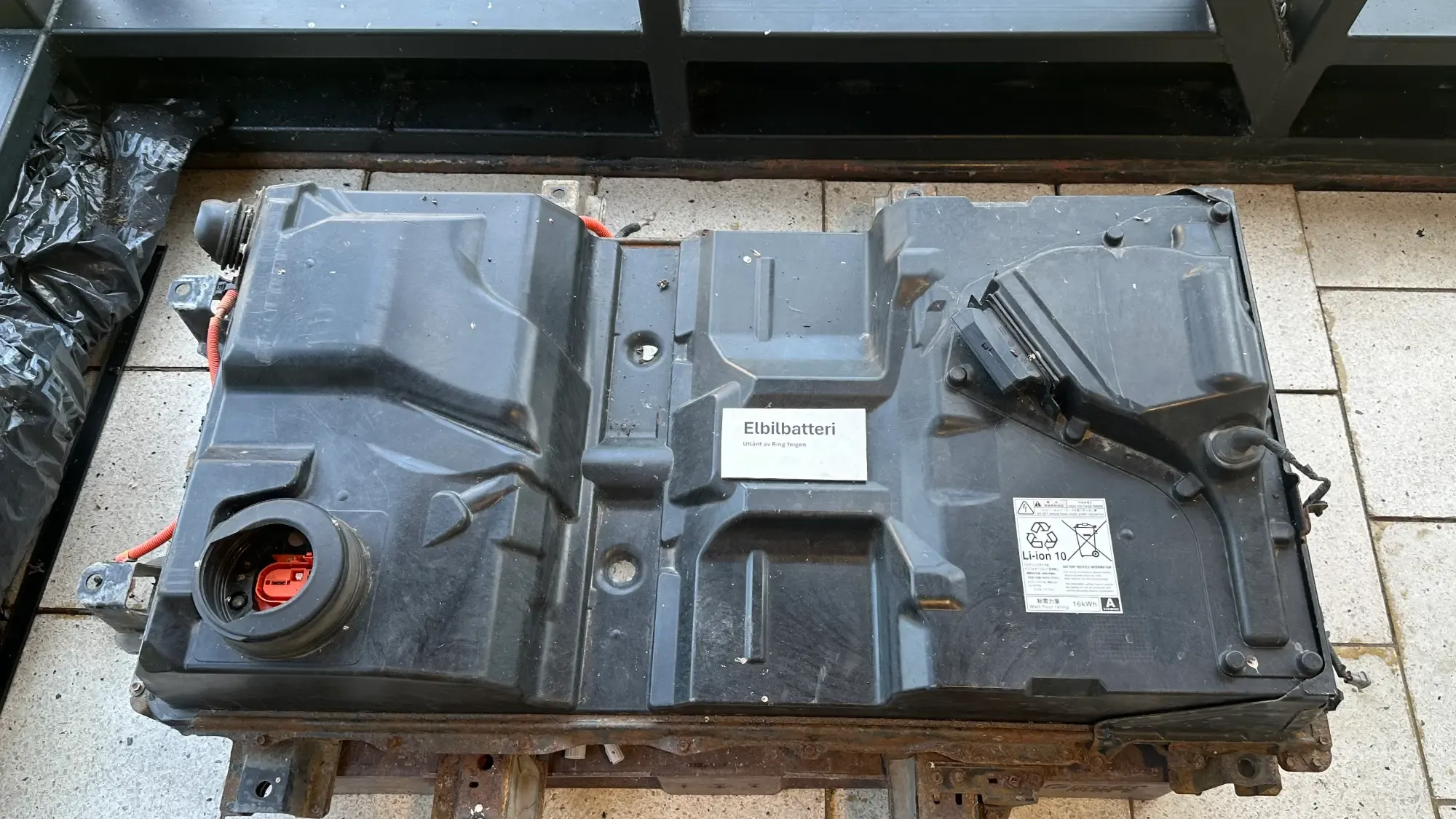
Almost every electric car sold in Latin America uses one of two chemistries: LFP (lithium iron phosphate) or NMC (nickel manganese cobalt). A third one, sodium-ion, started going into passenger cars in 2026. The spec sheet rarely highlights it, but it changes three things an owner cares about: weight, the right way to charge and price.
The differences in one table
| LFP | NMC | Sodium-ion | |
|---|---|---|---|
| Energy per kilo | Lower | About 30% more per cell; 5% to 20% more at the full pack level | Up to 175 Wh/kg according to CATL, close to an LFP |
| Average pack price in 2025 | US$81 per kWh | US$128 per kWh | No comparable public figure |
| Recommended daily charge | Up to 100% at several manufacturers | Usually up to 80% or 90% | No published recommendations yet |
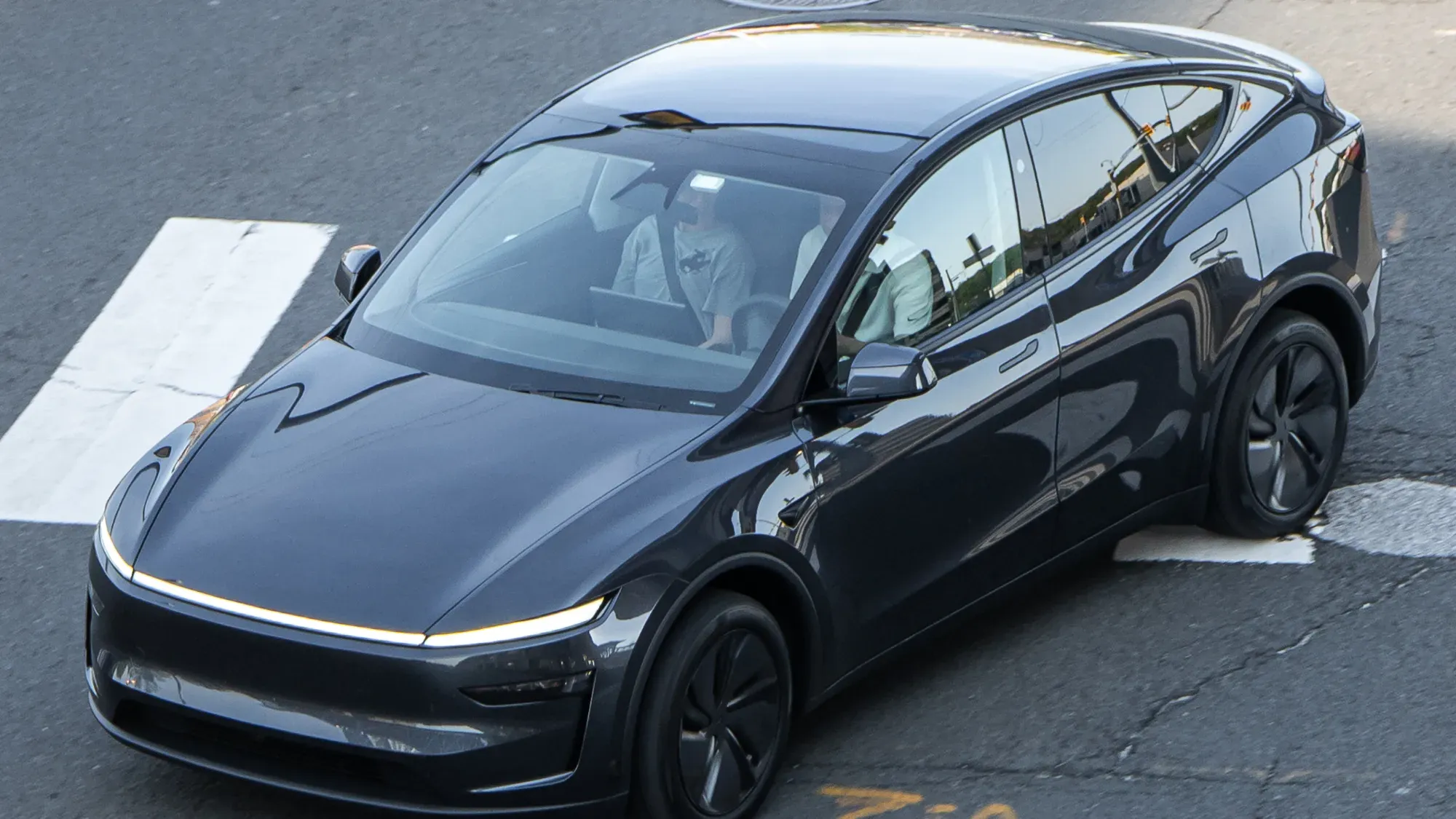
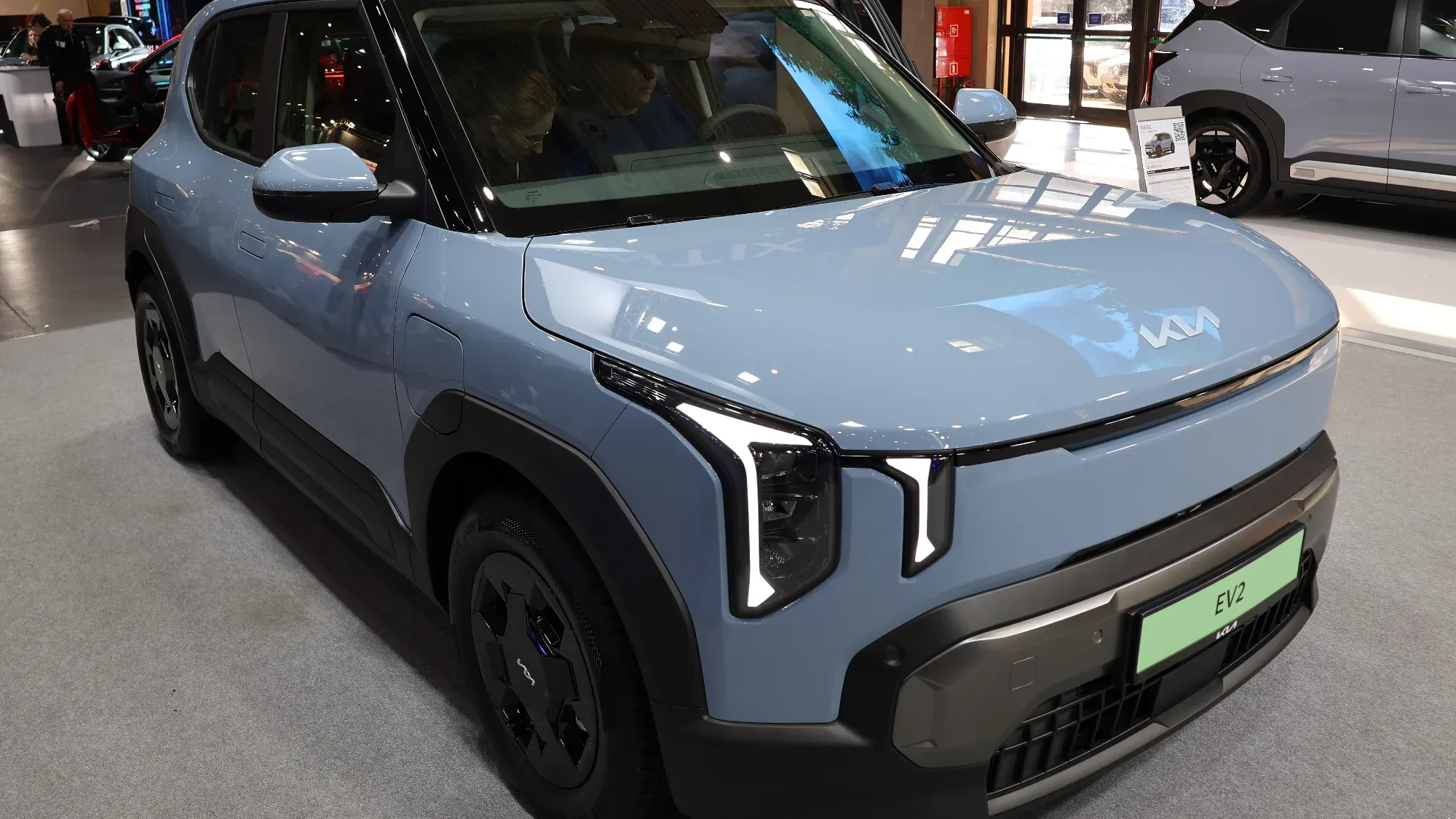
| Where you find it | Chery E5, Kia EV2, BYD, entry-level Model 3 | High-end and long-range EVs | First Changan models in China |
The prices come from BloombergNEF; the energy differences, from a McKinsey analysis. The sodium-ion column relies on figures from CATL, the world’s largest battery maker, which have not yet been confirmed by independent testing in production cars.
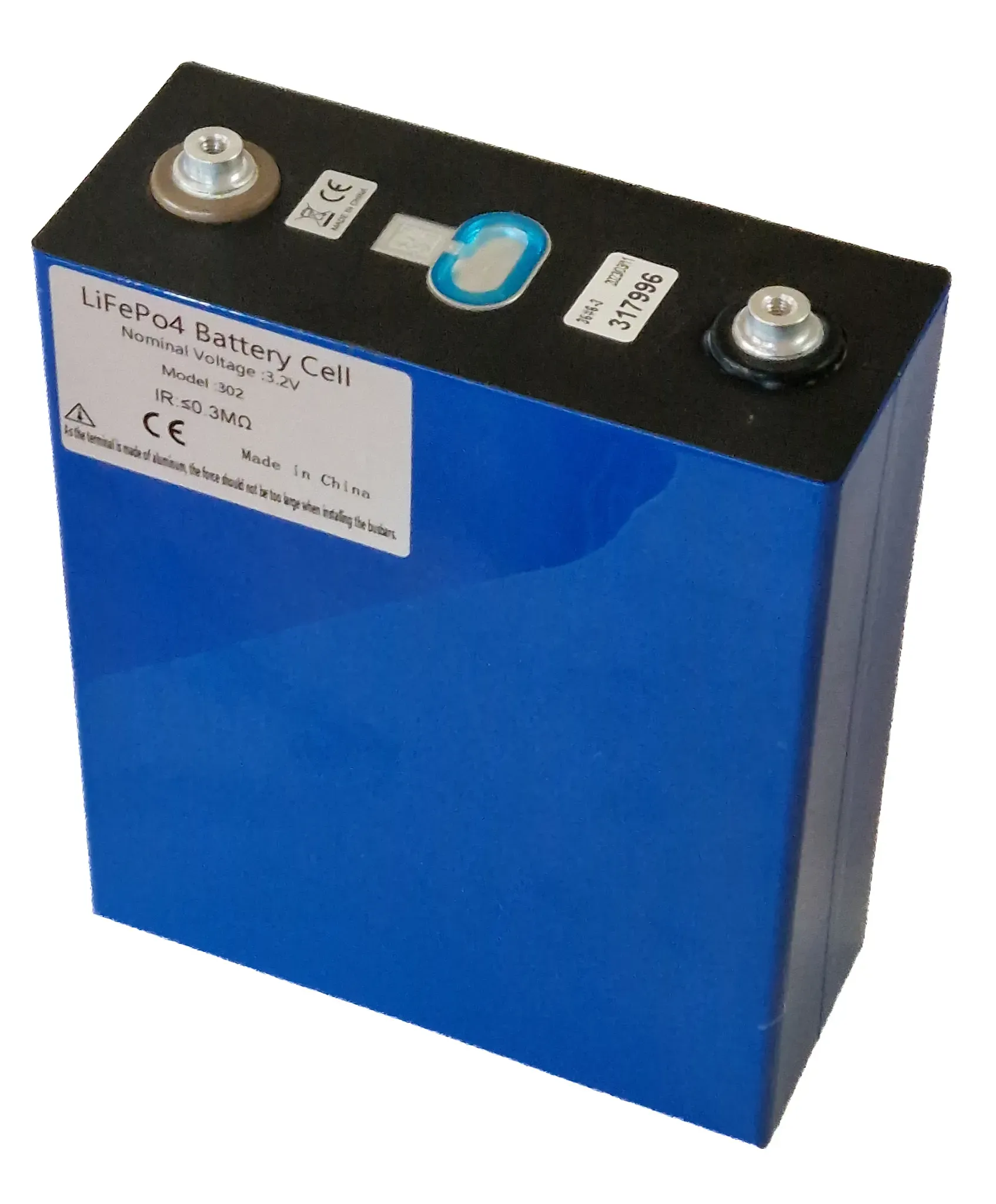 An LFP cell from CATL. This chemistry uses neither nickel nor cobalt, which is why it is the cheapest. Photo: Aeroid, CC BY-SA 4.0, via Wikimedia Commons.
LFP: the battery behind cheaper EVs
LFP uses no nickel or cobalt, the two most expensive metals in a battery and the ones with the most supply problems. That is why it costs less: according to BloombergNEF, an LFP pack averaged US$81 per kWh in 2025, against US$128 for an NMC pack. In a 60 kWh battery, the difference comes to around US$2,800 on the battery pack alone.
That is one of the reasons mid-priced Chinese EVs reach Latin America with LFP, and why its share of electric passenger cars in China rose from 45% in 2021 to 60% in 2023.
The downside is weight. For the same range, an LFP needs more cells. McKinsey illustrates it with the Tesla Model 3: the 55 kWh LFP version covers about 450 km (280 miles) WLTP, and the 82 kWh NMC version about 630 km (391 miles).
There is a practical advantage many owners do not know about: LFP handles charging to 100% better. Tesla, for example, recommends that owners of the LFP Model 3 leave the charge limit at 100%, even for daily use, and fill the battery completely at least once a week so the car estimates its range correctly. With an NMC, the usual advice is to stay at 80% or 90% except before a long trip.
NMC: more range per kilo, at a higher price
NMC stores more energy in the same space. That is why it goes into cars chasing ranges of 600 km (373 miles) or more without carrying a huge battery, and into sports cars, where every kilo counts. In return it is more expensive and depends on metals whose prices swing a lot.
Some brands use their own blends. The Chevrolet Equinox EV sold in Colombia, for example, lists an NMCA chemistry, which adds aluminum.
Sodium-ion: arriving in 2026
In February 2026, CATL and Changan presented what they describe as the first mass-production passenger car with a sodium-ion battery, with a launch in the Chinese market planned for mid-year. According to CATL, its Naxtra battery stores up to 175 Wh/kg, a density similar to an LFP, and a 45 kWh pack gives about 400 km (249 miles) of range. Where it pulls furthest ahead is in the cold: it keeps more than 90% of its capacity at −40 °C and, at −30 °C, delivers almost three times the power of an equivalent LFP.
Sodium is abundant and cheap, and it does not depend on lithium. Its big selling point is cold-weather performance, which matters less in most of Latin America than in northern China. What could help the region most is something else: if sodium-ion lowers the cost of small batteries, electric city cars could get cheaper. For now, no model with a sodium-ion battery has been announced for Latin America.
How to tell which battery a car has
The brand’s spec sheet usually says so on the battery line: “LFP”, “lithium iron phosphate”, “lithium ferrophosphate” or “Blade”, BYD’s trade name for its LFP battery. If it says “ternary” or “NCM”, it belongs to the NMC family. In the comparator, the chemistry appears on each trim’s spec sheet when the brand publishes it.
Frequently asked questions
Which battery lasts longer, LFP or NMC?
LFP usually withstands more charge cycles before degrading, but real-world lifespan depends more on how the car is used and on thermal management than on chemistry. Warranties do not change by chemistry either: most brands cover the battery for eight years.
Can I charge my LFP battery to 100% every day?
Several manufacturers recommend it, Tesla among them. Check your car’s owner’s manual, because the brand’s instruction is the one that counts for the warranty.
Are there cars with sodium-ion batteries in Latin America yet?
Not as of October 2026. The first ones went on sale in China.
Sources: BloombergNEF: battery prices in 2025 · McKinsey: the battery chemistries powering EVs · CnEVPost: CATL and Changan, first car with a sodium-ion battery · InsideEVs: Tesla’s charging recommendation for LFP · El Carro Colombiano: Chevrolet Equinox EV in Colombia