An EV in a company's name in Colombia: 50% deduction, accelerated depreciation and VAT refund
A legal entity does not have the 1,340 UVT cap that limits the deduction for individuals, and it can depreciate the car by up to 33.33% a year. What each benefit requires and when it pays.
By Mejor Eléctrico Staff4 min read
The tax benefits of an EV in Colombia are the same in law for people and companies, but they do not weigh the same. For an employee, the income tax deduction runs into a general cap that is often already full, as we calculate in the article on the deduction. For a company filing as a legal entity, that cap does not exist, and an additional benefit appears: accelerated depreciation.
Deduction of 50% of the car’s value
Article 11 of Law 1715 of 2014 allows up to 50% of the value of an investment in efficient energy management to be deducted from income. The DIAN, the tax authority, has said that EVs and HEV and PHEV hybrids on the lists in Resolution 135 of 2025 from the UPME, the energy planning unit, count as that investment, with the corresponding certificate.
The rules that apply to a company:
- the deduction can be spread over up to 15 years;
- each year it cannot exceed 50% of net income;
- according to DIAN Letter 178 of 2026, it begins to apply in the tax year after the vehicle enters operation.
The cap in section 3 of article 336 of the Tax Code, which limits individuals’ deductions and exempt income to 1,340 UVT a year (the UVT is the tax value unit), does not apply to legal entities.
Accelerated depreciation
According to RSM Colombia, the buyer can depreciate the car at a rate of up to 33.33% a year, that is, over three years, provided three conditions are met: its income does not come from an employment relationship, it keeps accounts and records the depreciation, and the vehicle is related to the activity generating its income.
A company easily meets those conditions if the car is used in the business. An employee does not. A self-employed person who keeps accounts and uses the car in their activity could.
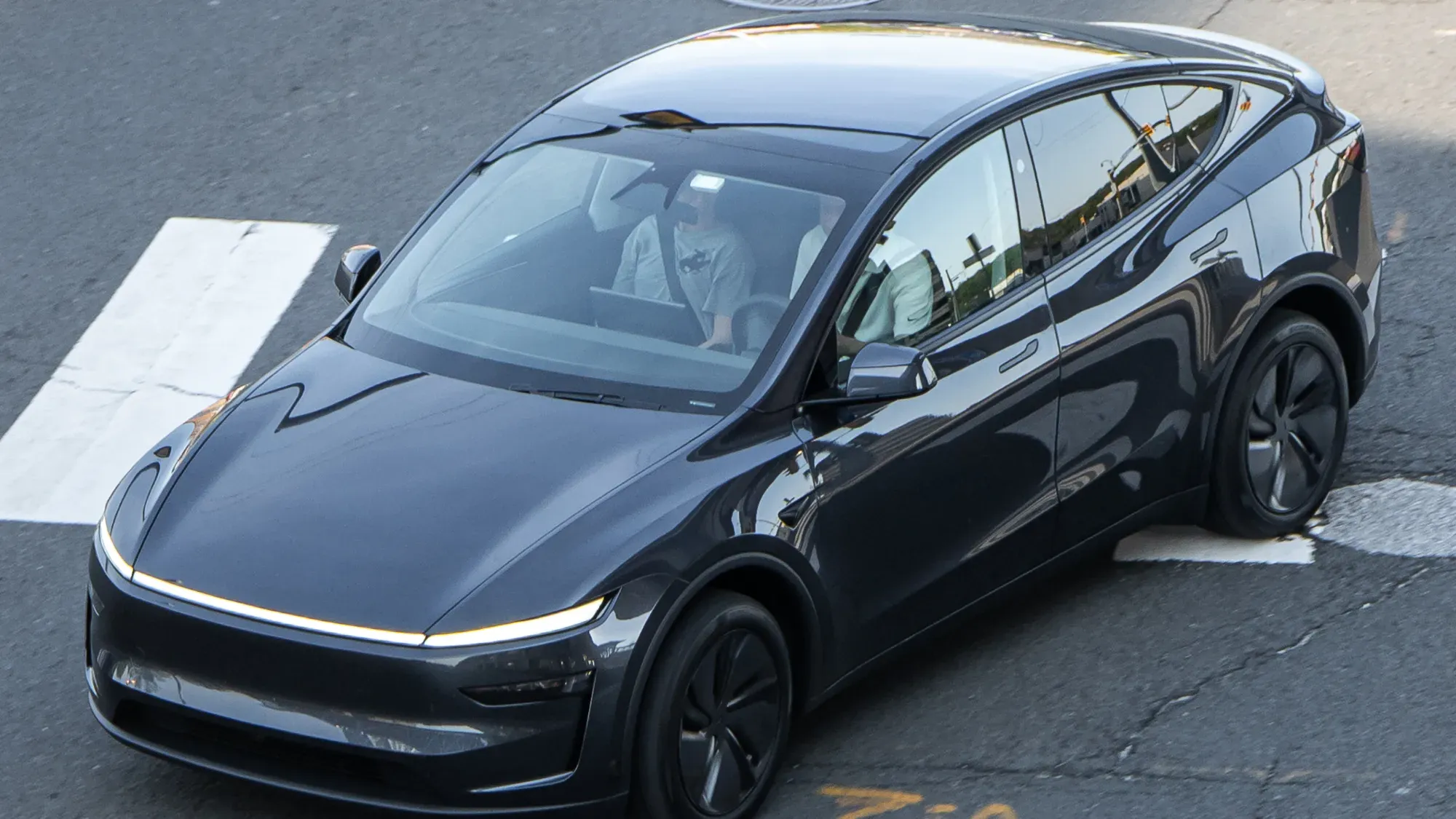
 Accelerated depreciation requires keeping accounts and using the car in the activity that generates the income. Photo: Juan Camilo Trujillo, CC BY 2.0, via Wikimedia Commons.
VAT refund
The refund of the 5% VAT paid on the purchase works the same as for an individual: a UPME certificate, an electronic invoice with VAT itemized in the company’s name and filing with the DIAN within five years of the invoice date. The condition is not to use that same VAT as a cost, deduction or creditable tax. The process is in the step-by-step with the DIAN.
An example for scale
A company buys a COP 100 million EV with a UPME certificate. The special deduction is up to COP 50 million. At the general income tax rate for legal entities, 35%, that equals a tax reduction of up to COP 17.5 million, spread over the years in which the company has enough net income to use it. To that add the effect of depreciating the car over three years rather than the ordinary term.
Illustrative calculation. The real saving depends on the company’s income each year and how its accountant applies the two benefits.
The discrepancy over individuals
For individuals there are different positions. The DIAN has said the deduction is subject to the general limit in section 3 of article 336. RSM Colombia, in an October 2025 analysis, argues the opposite: that it is a deduction independent of that limit, like the 1% for electronic invoicing. That is one firm’s opinion, not an official position, and until the DIAN changes its stance, the prudent course is to apply the limit.
What to check before buying through the company
The car’s real use. If the car is for a partner’s personal use, the DIAN may question whether it is related to the activity, and with that the depreciation.
Leasing. Many companies buy cars through leasing. Since the invoice is in the lender’s name, who can claim each benefit depends on the type of contract. Ask the lender and the accountant before signing. The differences between ways of financing are in leasing, renting or a loan.
The UPME cycle. RSM indicates that certificate requests are received from February 15 to May 14 and from August 15 to November 14.
For a company with high net income, the 50% deduction and three-year depreciation can weigh more than the VAT refund. For an employee buying in their own name, it is usually the reverse.
Frequently asked questions
Can a company deduct 50% of an EV?
Yes, if the vehicle has a UPME certificate. The deduction is spread over up to 15 years, and each year it cannot exceed 50% of net income.
What is accelerated depreciation of an EV?
The possibility of depreciating it by up to 33.33% a year, if income is not from employment, accounts are kept and the car is used in the activity.
Can the company request the VAT refund?
Yes, with the invoice in its name and the UPME certificate, as long as it does not use that VAT as a credit or a cost.
This article is for information only and does not replace advice from an accountant.
Sources: RSM Colombia: tax benefit for buying EVs or hybrids · Valora Analitik: the DIAN explains when to apply the deduction · DIAN, Opinion 000673 of 2026 · Portafolio: term and process of the VAT refund