Why are electric cars so expensive? The battery, taxes and factory scale
The battery in a midsize EV costs thousands of dollars, even though pack prices hit a record low in 2025. Tariffs and production volume explain the rest.
By Mejor Eléctrico Staff3 min read
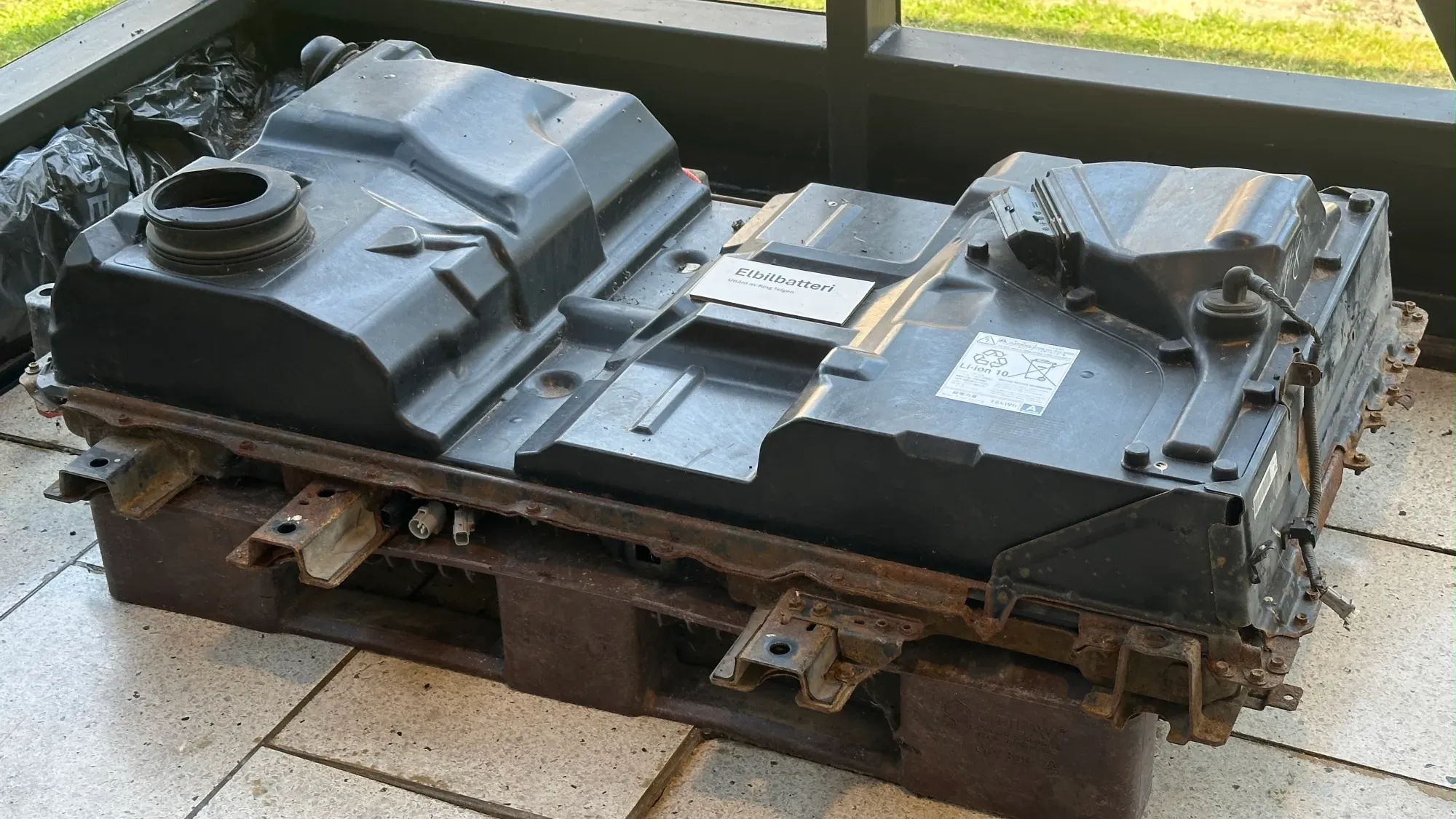
An electric car costs more than a comparable gasoline car mainly because of the battery. It is the most expensive part of the car, and although its price fell to a record low in 2025, a 60 kWh pack still costs several thousand dollars at the factory gate alone. Add taxes that vary enormously from country to country, and factories that still don’t build EVs at the volume of gasoline cars.
The battery: cheaper than ever, but not free
According to BloombergNEF, the average price of a lithium-ion battery pack was US$108 per kWh in 2025, 8% less than in 2024. For electric car packs, the average was US$99 per kWh.
At that figure, the 60 kWh battery in a midsize electric SUV costs the manufacturer about US$5,900, before it is fitted, integrated and covered by an eight-year warranty. The gasoline car skips that part, though it pays for its engine, its gearbox and its exhaust system. The balance between those two bills is what sets how much more the EV costs.
Why Chinese EVs are cheaper
The same BloombergNEF report explains much of China’s advantage. In China, the average pack cost US$84 per kWh in 2025. In North America it was 44% more expensive, and in Europe 56% more. A Chinese brand that makes its batteries in China, often with LFP chemistry, the cheapest one, starts with a cost advantage a European brand does not have.
That cost advantage helps explain why the cheapest EVs in Latin America are almost all Chinese. In Colombia, competition got even tougher when Tesla arrived in late 2025. We analyzed it in the Tesla effect.
 In China, the average battery pack cost US$84 per kWh in 2025, far less than in Europe or North America. Photo: China News Service, CC BY 3.0, via Wikimedia Commons.
Taxes can add or subtract millions
The final price in Latin America depends as much on taxes as on the factory.
In Colombia, EVs pay 5% VAT instead of 19%. On a COP 100 million car, that difference on the same base is worth about COP 13.3 million. There are also breaks on the import tariff. The full list is in benefits of buying an EV in 2026.
In Brazil the opposite happens: since July 2026, imported EVs pay a 35% tariff, a rate the country returned to gradually from 2024, when it stood at 10%. The government’s goal is for brands to build cars locally, as BYD already does in Camaçari.
Factory scale
A car gets cheaper when a factory builds hundreds of thousands of units of the same model, because the cost of developing it is spread over more cars. The brands that sell the most EVs have that advantage: BYD passed 2.2 million sales in 2025, and Tesla delivered 1.6 million, almost all of them from two models.
Total cost tells a different story
The purchase price is not everything. An EV spends less on energy and maintenance, and in Colombia it is exempt from pico y placa, the plate-based driving restriction, in cities such as Bogotá. With home charging, each kilometer costs considerably less than in a gasoline car, and over the years that gap recovers part of the purchase price. The full math is in electric or gasoline: how much you save.
The useful question is not whether an EV is more expensive, but how many years it takes to recover the difference through energy savings. For someone who drives little, it may never pay back.
Frequently asked questions
Why are electric cars so expensive?
Mainly because of the battery, which in a midsize EV costs several thousand dollars. Each country’s taxes and production volume explain the rest.
Will electric cars come down in price?
BloombergNEF expects battery prices to fall again in 2026. Whether that reaches the car’s sticker price depends on competition and on each country’s taxes.
How much does an electric car battery cost?
For the manufacturer, about US$99 per kWh on average in 2025. A replacement costs an owner much more, as we explain in this article.
Sources: BloombergNEF: battery prices in 2025 · CBT News: Tesla and BYD sales in 2025 · Eixos: the timeline of Brazil’s EV tariff · InvestNews: BYD in Camaçari